Choosing mowers and equipment that pay for themselves
How to spec commercial mowers and handhelds around your routes and crews so your equipment cuts hours instead of eating margin.
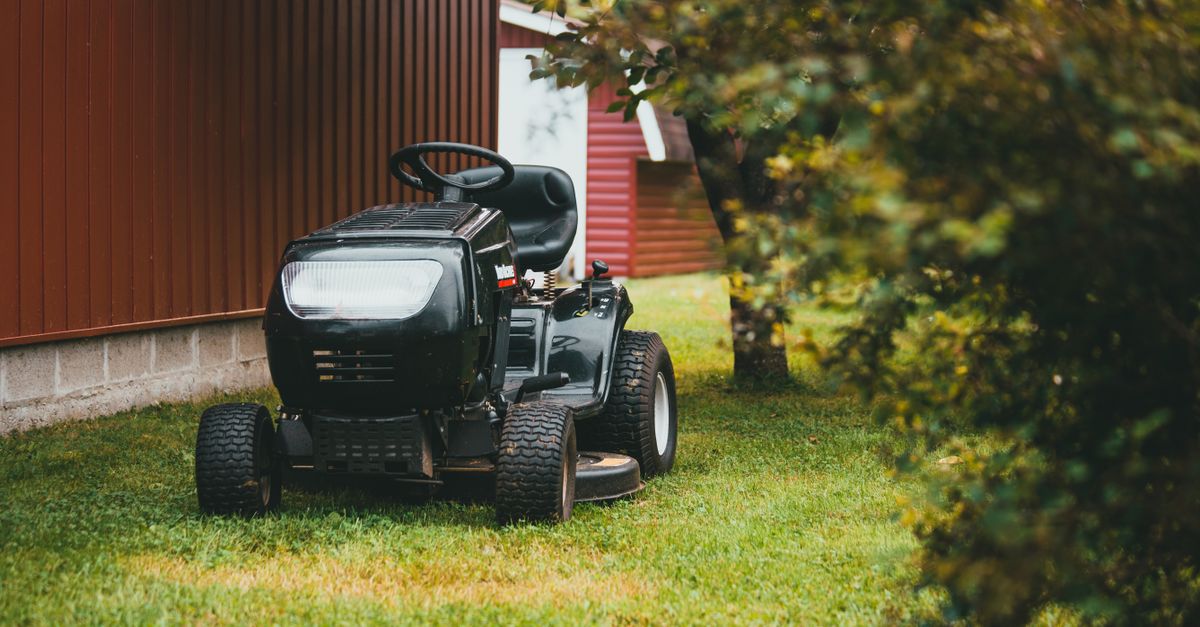 Erik Mclean · Pexels
New operators tend to buy the mower they want to be seen on, and it usually costs them. A 60-inch zero-turn is a beautiful machine that cannot get through a residential gate, and a homeowner-grade unit from the big-box store dies halfway through its first commercial season. Equipment is not a status purchase, it is a labor-reduction tool. The right lineup is the one that matches your actual properties and cuts the most hours off your route, because on a lawn crew, hours are the whole game.
Spec the fleet to your routes, not the showroom
Look at the lawns you actually service before you buy anything. A route full of small, fenced residential yards wants nimble stand-on or walk-behind mowers that fit through a 36-inch gate, while large open commercial turf rewards a wide-deck zero-turn that covers ground fast. Buying the wrong size for your work either leaves you trimming by hand for hours or parking a machine that will not fit the job.
Match the handhelds to the crew the same way. Trimmers, blowers, and edgers are where a surprising amount of route time hides, so standardize on a couple of dependable models rather than a mismatched pile. Battery platforms are now genuinely viable for residential work and cut fuel and noise, but confirm the run time and charging plan support a full day before you commit the whole route to them.
Buy commercial grade or buy it twice
Commercial equipment costs more up front because it is built to run every day for years, and that is exactly why it is the cheaper choice over the life of the machine. A residential-grade mower run on a commercial schedule burns through belts, spindles, and decks and lands you in the shop during peak season, which is the most expensive time to lose a machine. Spec for hours of service, not the sticker price.
Weigh the dealer relationship as heavily as the brand. A local dealer who stocks your parts, turns around repairs fast, and offers a loaner during peak season is worth more than a slightly cheaper machine from three counties away. Compare mower and equipment brands and their dealer networks in the directory.
Plan for downtime, financing, and replacement
Every hour a mower is in the shop is an hour your crew is standing around getting paid to do nothing, so build redundancy into the fleet. Keep a backup mower and spare handhelds so a breakdown slows one crew instead of stopping the day. Stock the wear parts you replace constantly, belts, blades, filters, and trimmer line, and handle basic service in house.
Finance equipment deliberately rather than draining your cash on a single big purchase, and match the term to the useful life of the machine. Track hours on every unit and plan the replacement before it becomes a liability. Fund the fleet through vetted lenders in the directory, and pair your equipment plan with the routing setup in the route and scheduling software guide.
This guide is general information for lawn care business owners, not legal or financial advice. Some outbound links may be affiliate or sponsored links, which are disclosed and never affect our recommendations.
Get guides like this weekly
Join The Lawn Care Bench Weekly. One useful email a week, free.
Subscribe free