Taxes and accounting for a lawn care business (US + CA)
Bookkeeping basics, common deductions, sales tax / GST-HST, quarterly estimates, and when to incorporate; US and Canada.
 Polina Tankilevitch · Pexels
Running a lawn care business requires careful tracking of income and expenses to meet tax obligations in both the United States and Canada. It’s crucial to keep records that support deductions and filings. Many owners manage these tasks themselves initially, but it’s beneficial to separate personal and business finances early on.
Bookkeeping Basics
Establish a dedicated business bank account and credit card to keep transactions separate from personal ones. Use software like QuickBooks or a spreadsheet to log every receipt for fuel, equipment repairs, and client payments on the day they occur. Consistently categorize entries, such as labeling mower purchases under assets and weekly lawn contracts under revenue. Reconcile bank statements monthly to catch errors early. Retain records for at least six years, including invoices, mileage logs, and supplier statements, as tax authorities may request them during an audit.
Common Deductions
Lawn care operators can reduce taxable income through ordinary and necessary expenses. Track vehicle mileage using the current standard rate or actual costs, including gas and maintenance, when used solely for business. Deduct the cost of mowers, trimmers, and safety gear outright if under the annual limit or through depreciation schedules otherwise. Home office expenses are deductible when a dedicated space is used regularly for scheduling and billing, calculated by square footage percentage. In Canada, the same categories apply, though the Canada Revenue Agency requires stricter documentation for mixed-use assets like trucks used for personal needs. Fertilizer, seed, and subcontractor payments are fully deductible once paid, provided invoices are retained.
Sales Tax and GST-HST
Sales tax rules vary significantly between the two countries. Most US states require collection of state and local sales tax on residential lawn services once annual sales exceed the state threshold. Register with the state revenue department, collect the tax on invoices, and remit it quarterly or monthly depending on volume. In Canada, GST is imposed at five percent nationally, or HST in participating provinces at combined rates up to fifteen percent, on most lawn care services above $30,000 in annual revenue. Register for a GST-HST number through the Canada Revenue Agency, charge the tax on invoices, and file returns annually or quarterly. Keep separate ledgers for tax collected versus tax paid on business purchases to ensure accurate net amounts when filing.
Quarterly Estimated Taxes
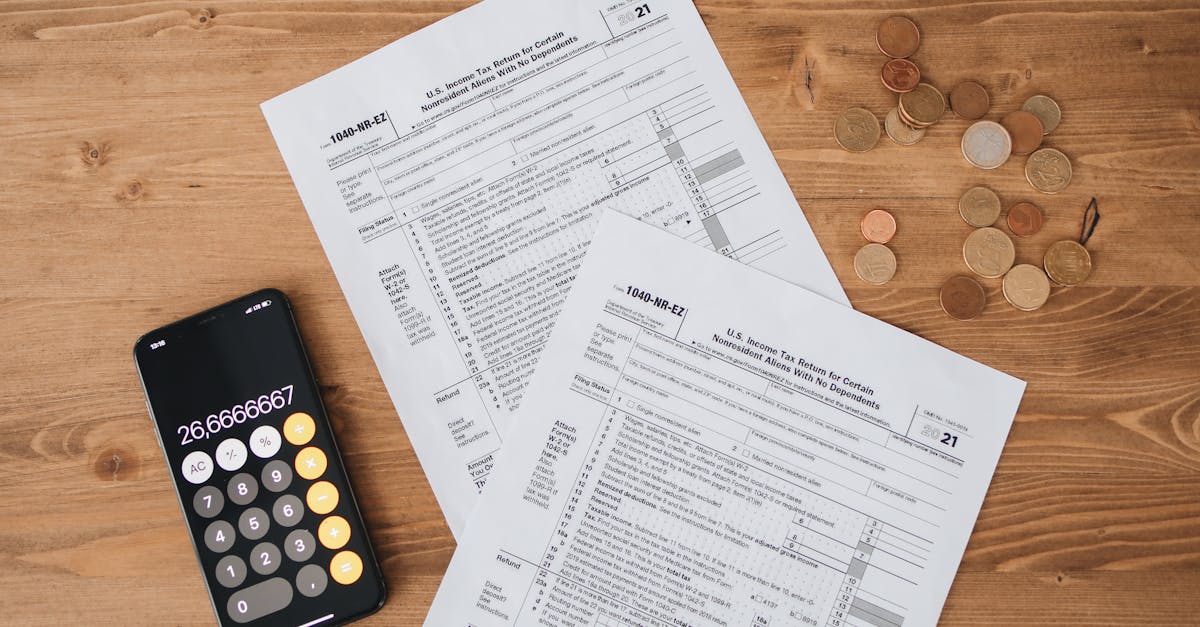
Both countries require owners to pay taxes throughout the year rather than once at filing time. In the United States, calculate expected annual tax after deductions, divide by four, and send payments to the IRS by quarterly deadlines using Form 1040-ES. Underpayment penalties may apply if enough isn’t paid, even if a refund is due later. Canadian sole proprietors make installment payments three times a year when net tax owing exceeds $3,000, using the CRA’s online calculator to determine amounts based on prior-year income. Adjust estimates after the first year once actual profit figures are known, and set aside 25-35% of monthly profit in a separate account for these payments.
Deciding When to Incorporate
Most lawn care businesses start as sole proprietorships in both countries due to simple setup and direct income flow to personal returns. Incorporation may become practical when net profit exceeds roughly $50,000 annually or when liability risks rise with larger crews and commercial contracts. In the United States, an LLC provides liability protection with pass-through taxation, while a corporation allows income splitting but involves annual filing fees and corporate tax returns. In Canada, a corporation offers similar liability protection and potential tax deferral but requires separate T2 filings and possible dividend taxation upon withdrawal. Consult a local accountant to compare the costs of extra paperwork against potential savings from limited liability and tax planning once revenue stabilizes.
This guide is general information for lawn care business owners, not legal or financial advice. Some outbound links may be affiliate or sponsored links, which are disclosed and never affect our recommendations.
Related guides
Get guides like this weekly
Join The Lawn Care Bench Weekly. One useful email a week, free.
Subscribe free